Many Americans will live 20 to 30 years beyond traditional retirement age. As a society, we haven't done a very good job imagining what those decades can be. The losses that accompany them—the end of a career, children who have moved away, physical abilities that change, social circles that shrink—are real, but so are the possibilities. The desire to contribute does not have an expiration date.
For millions, retirement marks not just the end of a job but the start of a search for identity and purpose. Yet our culture often treats later life as a period of withdrawal rather than participation. The reality is that older adults are an extraordinary and underused resource. They bring experience, perspective, skills, and social capital that communities need.
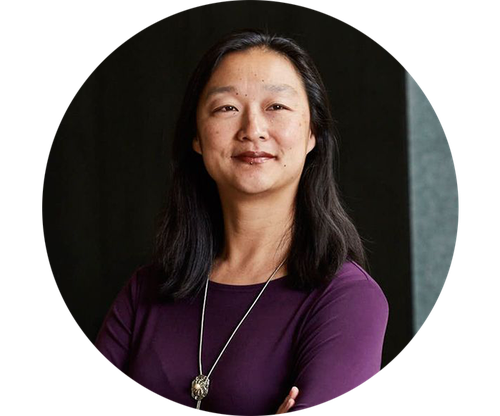
"We have not created meaningful roles for older adults that signal continued purpose. You can't ask them to step off the thing that gave them their identity and offer nothing in return. That's not decline—that's just absence."
~ Eunice Lin Nichols, Co-CEO, CoGenerate
Of course, purpose is easier to pursue when basic needs are secure. It is difficult to reimagine your future when you are worried about rent, medication, or the next scam call. But once that foundation exists, the question becomes: what next?
While purpose is linked to healthier aging and better cognitive function, the reverse is also true. Losing a sense of agency accelerates decline. Agency, as we define it here, means the ability to shape one's own experience of aging, and it shouldn't be reserved for the healthiest or wealthiest.
There is no single template for what that looks like. It could be returning to school, launching a business, volunteering, caring for grandchildren, creative expression, or a deepened spiritual practice. What matters is that the option exists at all.
Equity Within Agency. The inequities described earlier show up concretely here. For example, African American older adults receive dementia diagnoses at rate roughly twice that of the general population. LGBTQ+ older adults face a dramatically weaker support infrastructure, often without the family caregiving networks other older adults rely on as needs increase.
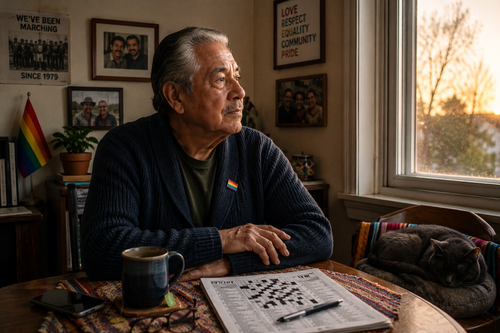
Both realities constrain agency. A later diagnosis narrows the window for planning and decision-making, while a thinner support network means fewer people positioned to advocate for someone's wishes once they can no longer advocate for themselves. Agency is not only the freedom to choose. It requires having the information, the timing, and the support in place to make that choice possible.
How Philanthropy Can Help
The goal is to create real opportunities for older adults' talents and experience to be recognized and used. Organizations already building this infrastructure need reliable, ongoing support, while new models for purpose, encore careers, and civic leadership need philanthropic capital before they are proven. The advocacy and movement-building that challenges ageism at a systemic level deserves investment too, not only the individual programs that serve one person at a time.
Organizations in this focus area might include:
- Lifelong learning and growth: continuing education; arts, culture, and creative expression.
- Civic participation and leadership: civic engagement, public leadership, volunteerism, and mentorship.
- Work, purpose, and economic contribution: encore careers, workforce transition, entrepreneurship, and age-inclusive employment practices.
- Agency and age equity: efforts that challenge ageism and expand opportunities for older adults to shape their own lives.
A Moment of Possibility
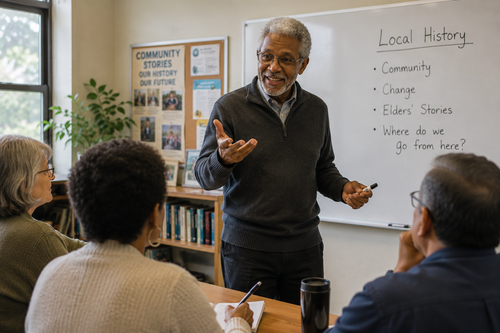
The Future of Aging is not simply a theme about getting older. It is about whether longer lives are marked by security or precarity, connection or isolation, purpose or disengagement. Every one of us has someone we love who is facing these questions, and every one of us is aging ourselves.
This work is personal in a way few philanthropic causes are. When we invest in the future of aging, we are investing in the parent who deserves dignity, the grandmother who deserves connection, the colleague who deserves a fulfilling third act, and, eventually, in ourselves.
No single grant will transform the future of aging. But thoughtful investments, made consistently and collectively, can improve lives, strengthen communities, and contribute to a broader shift in how we think about growing older. In that sense, this theme is not only about supporting organizations. It is also about helping to change the story we tell about aging itself.
NEXT: Sources →