Social connection is among the most powerful predictors of healthy aging. Prolonged isolation is associated with higher rates of chronic disease, dementia, depression, and premature mortality. As Americans live longer, traditional sources of connection are changing as families grow smaller and more dispersed.
Battery Powered's spring 2026 theme focused on addressing loneliness directly. This fall, we are leaning further into one specific, high-leverage answer to that same problem: intergenerational connection.
"We've designed our society to segregate generations from one another. Yet some of our most pressing challenges, from loneliness to civic trust, are best solved when people of different ages come together to learn, contribute, and care for one another."
~ Samara Randhawa, Co-Lead, New Longevity, Ashoka
The most durable investments will build infrastructure for ongoing, mutual connection across generations vs. one-directional programs. Beyond companionship, these promising models create mutual benefit, shared purpose, and stronger communities. Older adults in these models are not just recipients of care. They are mentors, volunteers, artists, neighbors, and civic leaders with real experience to contribute.
The strongest models are often rooted in local communities and built around assets that already exist: a room that sits empty most afternoons, an elder eager to pass on a skill, or an existing program that could be redesigned to bring generations together around shared purpose. Much of the infrastructure needed already exists in libraries, parks, schools, faith communities, arts organizations, and community centers, though it is often organized in age-segregated ways. Helping these institutions imagine what their spaces and relationships could become is a high-leverage, often low-cost opportunity.
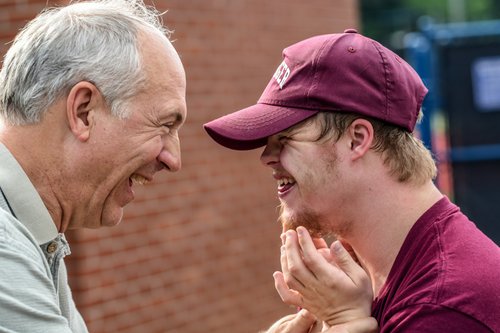
Our role is not to prescribe solutions, but to back ideas that communities are already imagining, wherever they take root on a theater stage, in a classroom, or on a front porch. In one home-share arrangement through a local nonprofit, a young renter brings his elder landlord a bouquet of flowers every time he pays his discounted rent for a room in her home. It’s small ritual of gratitude born from mutual benefit and shared community. That's the kind of connection worth funding.
As with security, this challenge is not experienced equally. LGBTQ+ elders are more likely to live alone and less likely to have family caregivers to rely upon. Rural communities frequently contend with geographic isolation and fewer gathering places. Older immigrants and non-English speakers can encounter language and cultural barriers that make participation more difficult. If intergenerational connection is to become a meaningful solution, bridges must be intentionally designed for the people who have historically been least likely to benefit from them.
How Philanthropy Can Help
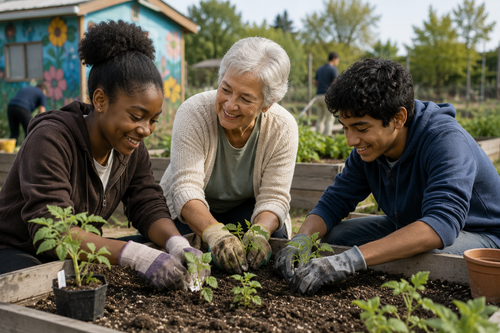
We will seed, support, and scale models that bring generations together around shared purpose. Trusted institutions—libraries, parks, community centers, arts organizations, and grassroots networks—need sustained investment, while the partnerships and models that have not yet been tried need supporters willing to bet on them. Just as important is backing the organizing and convening that builds civic infrastructure for intergenerational connection at scale, not only the individual programs.
Physical access matters too. A community center, library, volunteer opportunity, or shared meal only creates connection if people can reach it. Transportation is often treated as a logistical challenge, but for many older adults it is the bridge between isolation and participation. Examples might include:
- Civic engagement organizations that connect generations through shared purpose;
- Libraries, parks, community centers, and arts organizations redesigning programs to engage multiple generations;
- Transportation and mobility initiatives that help older adults remain connected to their communities;
- Family caregiver and mutual support networks; and
- Home-share and co-housing models that connect younger and older generations.
Connection opens the door to the next focus area: a reason to keep contributing.
NEXT: Purpose & Agency →